

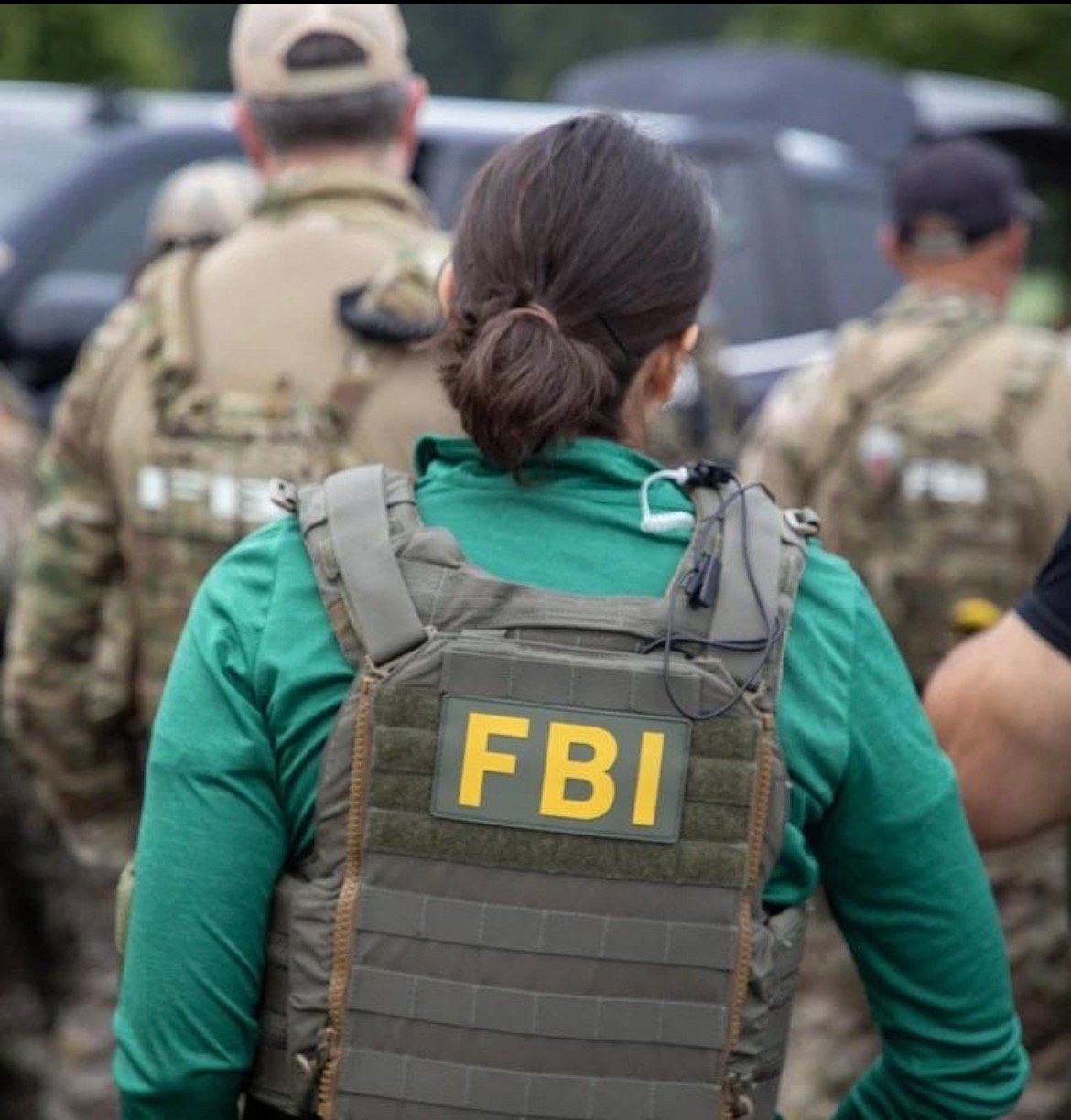
Federal investigators from the FBI are now involved and examining a series of thefts that have targeted about seven trading-card shops and collectibles shops in New Jersey between September last year and March this year.
Sweeping public concern came to the incidents after the FBI’s Newark office drew attention to the patterns and warned retailers about payment methods that allowed merchandise to leave stores before the fraud was even detected.
In one eye-opening method, a customer would attempt to pay by tapping a phone on a contactless reader. When the tap appeared to fail, the customer asked the cashier to type the card number in by hand. Because the number belonged to a stolen or compromised card, the transaction could appear to go through at the counter.
The reason the method leaves retailers exposed is the gap between the sale and the discovery of the fraud.
Acting FBI Special Agent in Charge Kelly Blanchfield said most purchases relied on compromised payment information.
“What they are doing is, they’re using fraudulent credit cards to accomplish that,” she said.
Retailers often learn that the credit cards were stolen only after the merchandise is long gone.
“So when the vendor actually does that, they don’t find out for a few weeks that the credit card was stolen or shut down,” Blanchfield added.
But Pokémon cards have attracted more attention because of their resale value. Shops dealing in collectibles handle cards that commonly sell for $300 to $1,500, with particularly rare selections reaching more than $30,000.
That combination of portability and price makes them attractive to thieves looking for goods that can be resold quickly.
Three of the businesses affected by the broader series have been named as Liquid Games in Ocean Township, Peninsula Games in Long Branch and Cardboard Colosseum in South Amboy.
A shop in Howell has also reported about $10,000 in merchandise that was taken and is also described as having been hit.
The incidents, in a way authorities have described them, do not involve a single type of theft. Some retailers reported smash-and-grab burglaries, including a break-in at a shop in Rochelle Park in June.
The payment-fraud cases are distinct, involving the use of fake identities and stolen card numbers, conduct that the FBI describes as wire fraud.
Another sweeping method that investigators described involves a phone application run by a criminal network that stores multiple stolen card numbers. Held to the reader, the app cycles through the numbers until one is accepted.
Additionally, a separate example involved teamwork inside a store, where one person tried to sell a box of cards as a distraction while others reached over the counter to take merchandise.
The delay is what allows the goods to be resold before a bank flags the transaction.
Estimated losses are shocking. At Liquid Games, a man still being sought left with about $2,000 in merchandise, and another Howell shop is associated with a loss of about $10,000.
Those figures are reported as separate incidents, not as a combined total for the seven shops.
In response, the bureau of investigation has advised retailers to disable manual card entry where possible, require photo identification for any purchase that must be keyed in by hand, keep display cases locked and relock them after each customer, and use cameras, door alarms and panic buttons with enough staff at the counter to watch for distractions.
Agents have also warned that vendors at trading-card events have been robbed at gunpoint outside venues or followed as they leave. That warning also came separate
The series remains under investigation. The man sought in the Liquid Games theft remains at large and investigators have not determined whether the seven incidents are linked.
Business owners who believe they were targeted are being asked to call 911 and then contact FBI Newark at 973-792-3000 or submit a tip at http://tips.fbi.gov.