

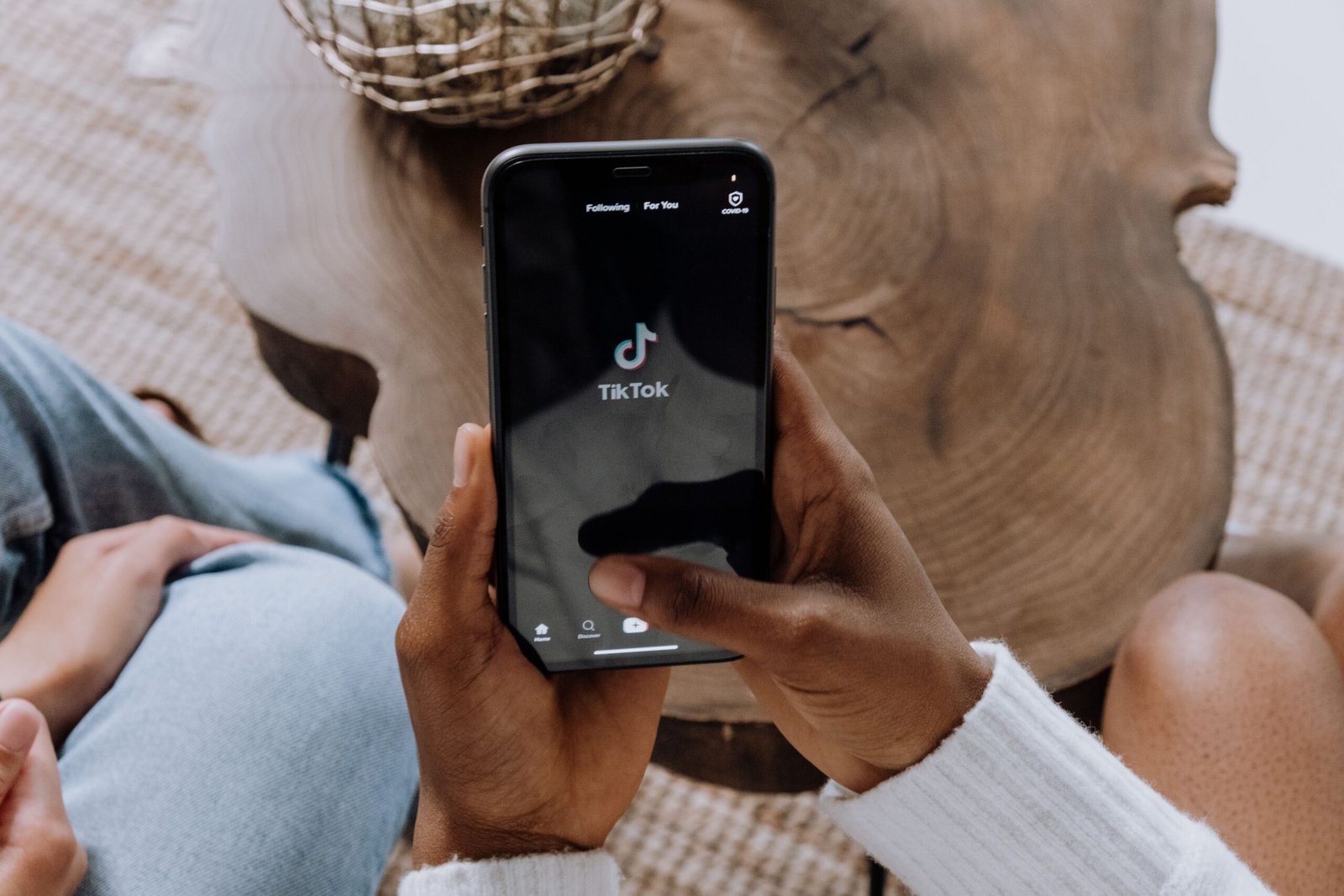
Alabama and TikTok reached a settlement over the platform’s effects on children in a consent decree filed Friday in Montgomery County Circuit Court.
The deal came three days before a trial the attorney general’s office said would have made the state the first to bring its claims against TikTok and its parent company ByteDance to trial. It also sets default limits for TikTok users ages 13 to 17 and gives linked parents final say over any loosening.
Under the deal, teen accounts lose access by default between midnight and 6 a.m. and face a two-hour daily use cap that resets at midnight local time.
Messaging, search, account settings, and videos longer than ten minutes classified as long-form content do not count toward the two hours, but TikTok must also lock those features once a teen hits the cap, so they cannot serve as a workaround.
A teen cannot raise either limit alone; a parent linked through TikTok’s supervision tools must authorize it.
“This is a great day for Alabama parents. Tonight, they can rest easier knowing real protections are in place to shield their children from the dangers of social media addiction. TikTok has agreed to give parents real control over what their kids see and how much time they spend on the app,” Attorney General Steve Marshall said.
He added: “We’ve said from day one that our number one goal was to stand up for Alabamians when they are being harmed, and today, we did exactly that.”
The state will receive at least $100 million within 45 days, with the potential for up to $300 million total if it meets conditions tied to other states’ recoveries. The agreement resolves the case without a trial or finding of liability, while TikTok’s parent companies deny wrongdoing.
this settlement ends a lawsuit in which Alabama alleged TikTok of building a feed that hooks teenagers on the app and pushes them toward harmful content, and of overstating how well tools such as Kids Mode and Restricted Mode actually protected them.
TikTok also agreed to interrupt extended use. Teens will see a notice after 15 minutes of continuous use and again at 60 and 90 minutes of cumulative daily use.
The company will switch off push notifications to teen accounts between 10 p.m. and 7 a.m. and between 8 a.m. and 3 p.m. Monday through Friday during the school year, except for urgent messaging, security or safety alerts.
Beyond those caps, the Chinese video company is committed to stronger age verification with measurable targets for cutting how often it misclassifies a teen as an adult.
The platform also agreed to tighter limits on adult-teen contact: teen accounts will stay private by default and harder for adults to discover, and TikTok will alert a linked parent when an account it flags as potentially suspicious starts messaging their teen.
It will also bar teens from filters that mimic cosmetic surgery and offer a non-personalized, non-algorithmic feed as a selectable default.
Linked parents will get expanded controls, including a dashboard showing weeks of cumulative screen time, the ability to block access during set windows such as school hours, and controls over which search terms, hashtags or topics shape the feed.
Implementation must happen as soon as practicable and no later than 180 days after the effective date of the consent decree. TikTok has not issued a public statement on the matter.