
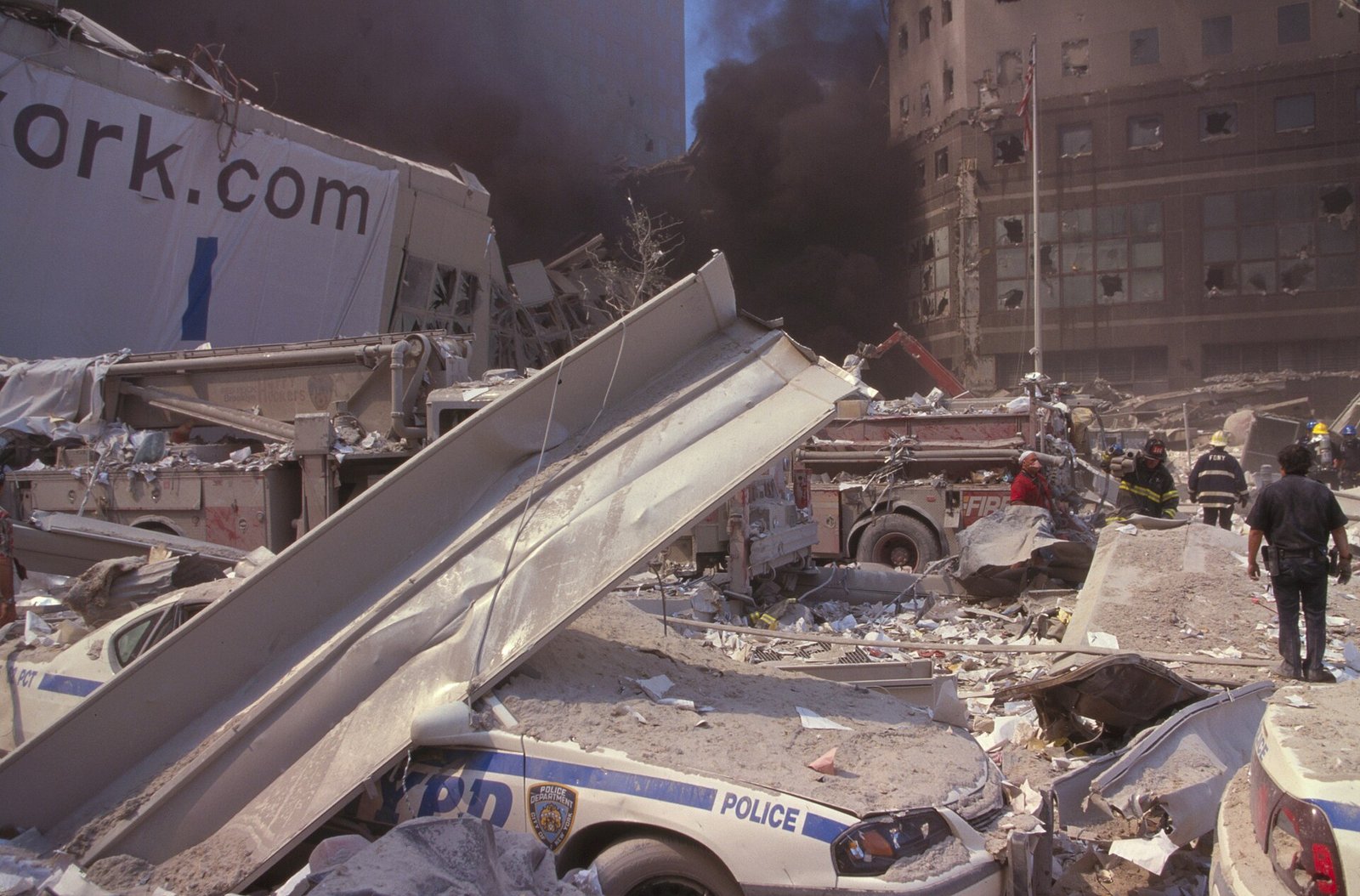
WASHINGTON — More than 9,000 people have died from illnesses linked to their exposure to the September 11, 2001, attacks.
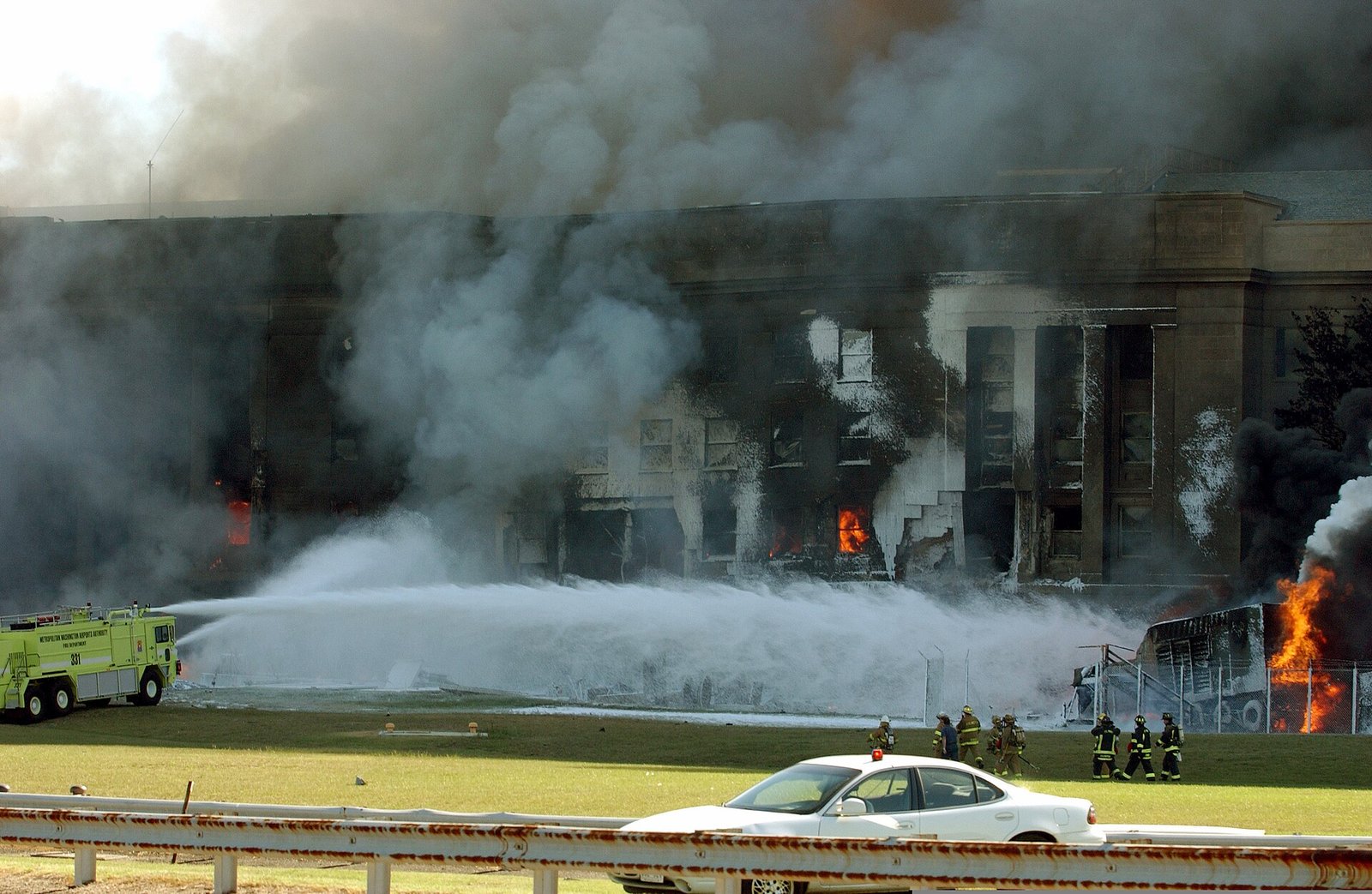
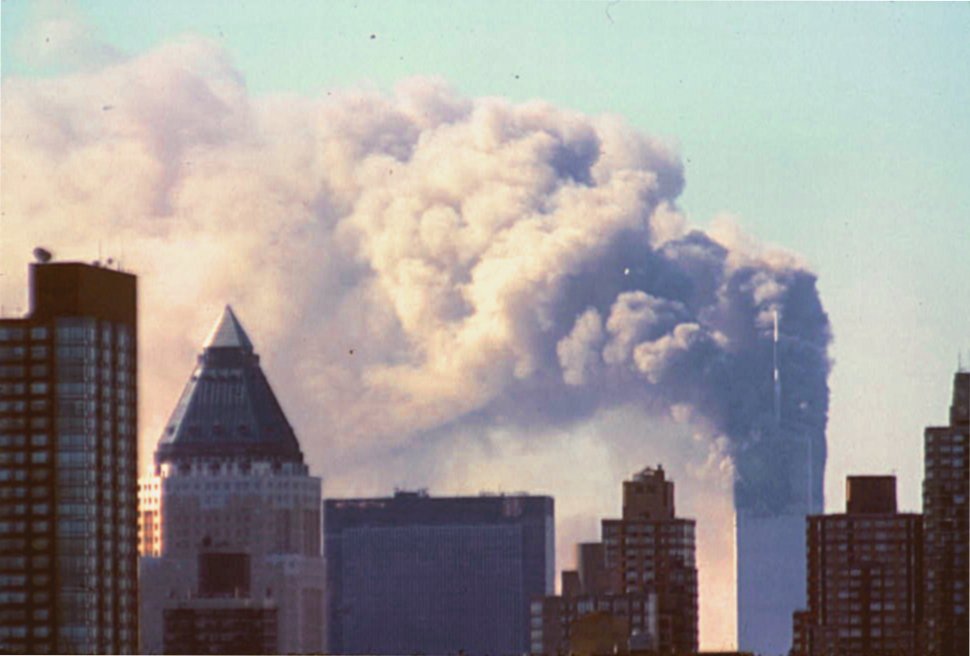
The toll is more than three times the number killed in the attacks themselve, according to figures cited in the U.S. House of Representatives as the country marked 25 years since the assault on the World Trade Center, the Pentagon and a field near Shanksville, Pennsylvania.
Rep. Maxine Waters, D-Calif., gave the figure during a May 19 House debate on H.R. 1993, the 25th Anniversary of 9/11 Commemorative Coin Act.
Waters also told lawmakers that more than 63,000 registered members of the World Trade Center Health Program had developed at least one medical condition tied to exposure to toxic dust, smoke and debris at the disaster sites.
The 9/11 health program provides no-cost medical monitoring and treatment to responders and survivors with certified 9/11-related conditions.
The James Zadroga 9/11 Health and Compensation Act of 2010 established the World Trade Center Health Program. It began operating July 1, 2011, and is run by the National Institute for Occupational Safety and Health within the Centers for Disease Control and Prevention.
By June 2026, more than 154,000 responders and survivors were enrolled, according to a Sept. 10 paper published in the Journal of the American Medical Association. Since 2012, enrollment has climbed by a median of more than 6,500 members a year.
The latest program figures show that 97,800 members had been certified for at least one WTC-related health condition by June 30, 2026. That amounted to about 67 percent of those enrolled at the time.
Another 47,600 had not yet been certified.
Cancer, breathing problems, gastroesophageal reflux disease and mental health disorders are among the conditions most often found in the program.
Program figures show that 43,100 responders and 17,200 survivors had been certified for aerodigestive disorders by June 2026.
Another 25,400 responders and 27,300 survivors had cancer certifications. About one-third of members had no known 9/11-related health effects, the JAMA researchers noted.
Rep. Dan Goldman, D-N.Y., the bill’s sponsor, said the program now serves well over 100,000 members in all 50 states.
First responders are still dying of 9/11-related illnesses today, Rep. Mike Lawler, R-N.Y., said.
Lawler cited his role earlier this year in securing what he described as permanent funding for the program.
Through Aug. 31, 2026, the September 11th Victim Compensation Fund had taken in 112,302 claims and awarded $18.56 billion, its monthly statistics show.
Determinations stood at 71,015 for personal injury and 6,287 for deaths. Registrations reached 200,552.
The Special Master’s February report on 2025 said about 900 new claims still arrive each month.
More than 9,800 award determinations went out in 2025, worth more than $1.8 billion.
Payouts since the 2011 reopening exceed $16.8 billion to more than 71,000 claimants.
The Sept. 10 JAMA paper found that people exposed to the September 11 attacks continue to show higher rates of chronic disease and poorer health-related quality of life than the general population.
Yet survival among people enrolled in the WTC Health Program has been better than among exposed people who are not enrolled.
The gap also appears in cancer outcomes.
Responders with prostate, lung, kidney and colorectal cancers who were enrolled in the program had mortality rates 26 percent to 64 percent lower than the general population of New York state.
Lung cancer screening reached 54 percent of eligible program members in 2024, against a 7.5 percent national benchmark.
Smoking was far less common among members, at about 4 percent in 2025, compared with 9.1 percent among U.S. adults.
Mental health conditions remain widespread among people exposed to the attacks, including post-traumatic stress disorder, depression, anxiety and substance use disorder.
Telehealth visits for mental health care jumped 363 percent during the COVID-19 pandemic, rising from 41 to 190 visits per 1,000 person-quarters before later leveling off.
The median age of WTC Health Program members was 39 on Sept. 11, 2001. By 2025, it was 63.
The anniversary came with thousands dead from illnesses tied to the exposure, while many more people continue to live with conditions connected to what happened 25 years ago.