

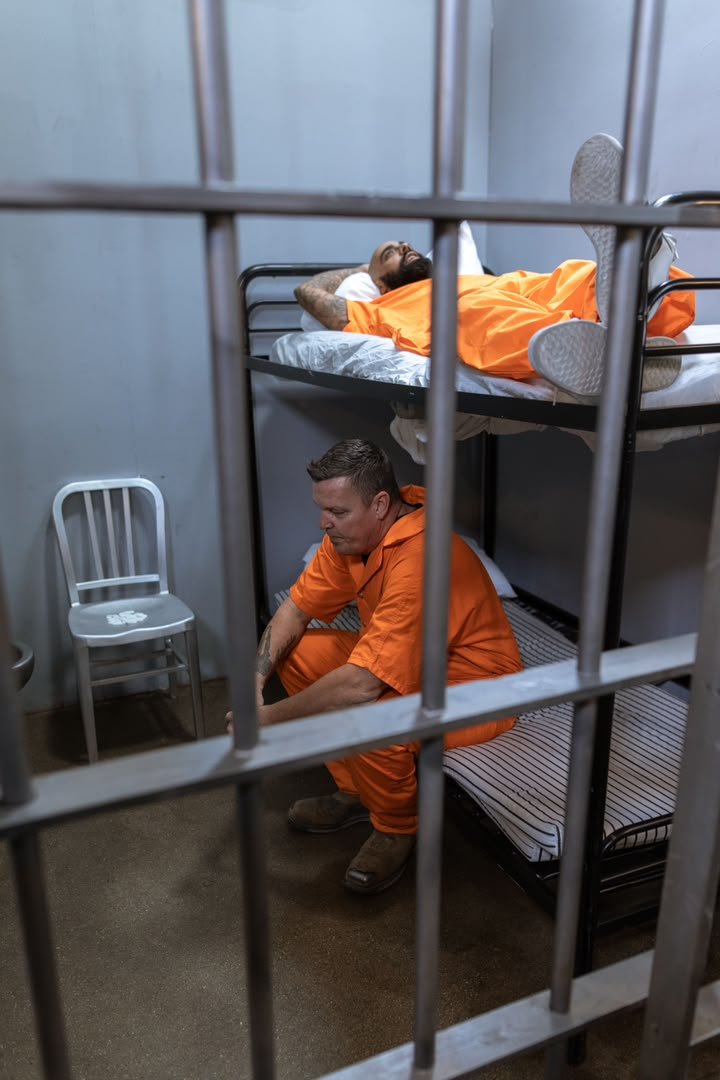
The UK Government plans to introduce legislation before the end of this Parliament to bring a definitive close to Imprisonment for Public Protection sentences.
Announced on 30 August by Prime Minister Andy Burnham and on 1 September by the Lord Chancellor and Justice Secretary Alex Norris, the commitment will apply to those still serving IPP sentences.
Among prisoners still held under the sentence who have never been released, 379 had an original offence classified as a sexual offence.
That figure comes from Ministry of Justice data as of 30 June 2026, released after a parliamentary question from Conservative MP Nick Timothy.
“These are complex cases, and some IPP offenders have committed serious crimes. Public safety will always be the top priority, and we must balance that with fairness. It will take time to get this right, but work will begin immediately, and will be on a cross-party basis,” Norris said.
Parliament abolished the sentence for new cases in 2012, but people already serving it remained in the system.
According to Norris, 99% of those who have never been released are now beyond the minimum tariff a court originally set, and 80% have been held for ten years or more past that point. That 379 figure applies only to the unreleased group.
There are now 856 unreleased IPP prisoners in custody — 850 men and 6 women — a 12% fall compared with a year earlier, according to Ministry of Justice statistics.
On top of that, a further 1,415 people were in custody having been recalled after breaching licence conditions following release, down 6% over the same period.
Reform will not be quick.
Burnham framed the decision as correcting an injustice, saying people “will no longer be trapped indefinitely under a sentence abolished more than a decade ago”:
“This decision recognises how deeply unjust it is that some offenders who have been locked up for nearly twenty years remain in prison, despite serving their sentence many times over, whereas many serious criminals convicted in recent years could have their jail time cut,” he added.
Capacity pressure forms the backdrop to the announcement.
The adult male prison estate, Norris told Parliament, is “once again operating at more than 98 percent capacity,” after a period in 2024 when the system came within fewer than 100 places of running out of space entirely.
While the previous administration added only around 500 net prison places over its time in office, more than 3,200 new places have been built since the current government took office, Norris said, with a target of 14,000 by 2031 as part of what ministers describe as the most extensive prison construction drive since the 1800s.
Separately from the IPP legislation are other measures on foreign offenders. In September 2025, the Early Removal Scheme for foreign national offenders was expanded.
Ministers will also implement a further power in the Sentencing Act 2026 early next year. It will allow eligible foreign offenders serving determinate sentences to be deported immediately after sentencing, and barred from returning to the UK for life.
The most dangerous offenders, the government says, will still be expected to complete their custodial terms in the UK under the existing rules.
Those who remain in custody under IPP terms — the unreleased prisoners and those recalled to prison who have yet to be re-released — are who the forthcoming legislation is intended to apply to.