
The United States and China settled on more favorable tariff treatment for $30 billion in non-sensitive goods moving each way and opened a bilateral dialogue on advanced artificial intelligence.
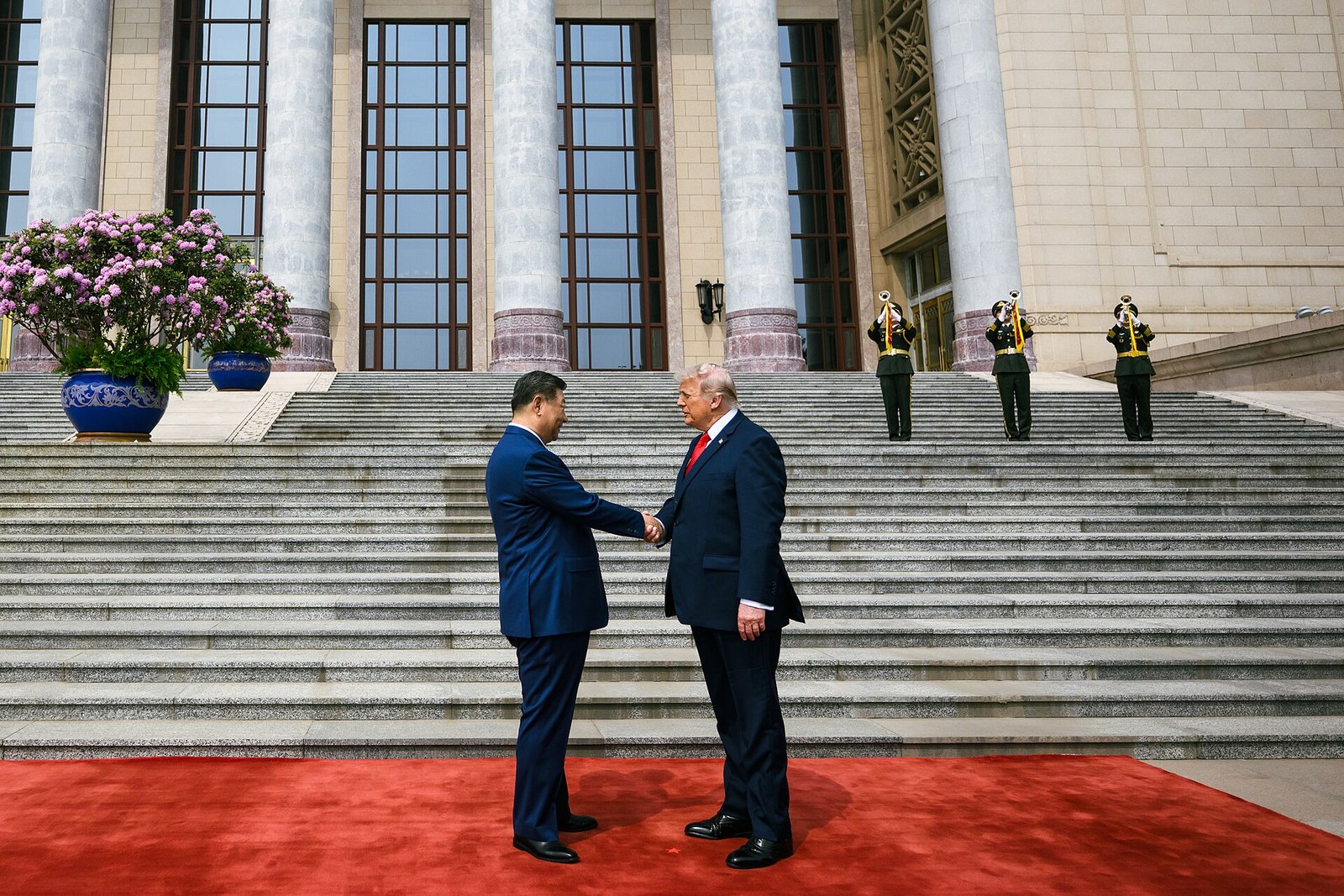
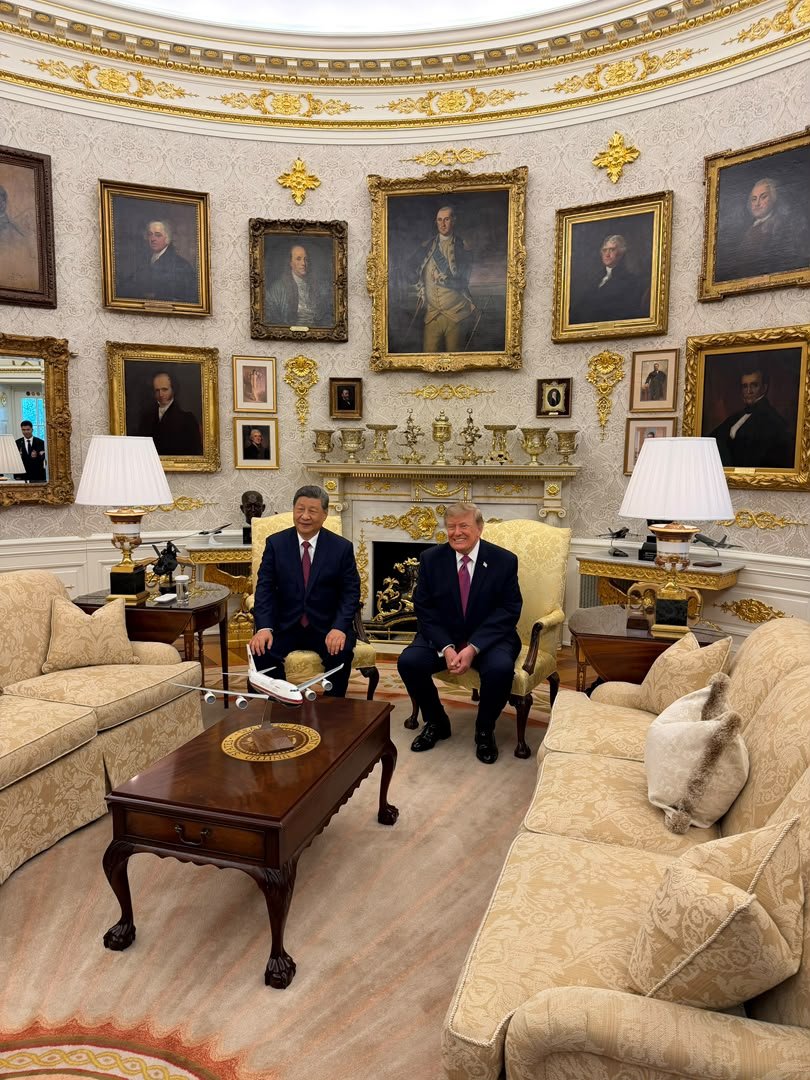
From Sept. 23 to 25, President Donald Trump and first lady Melania Trump hosted Chinese President Xi Jinping for a state visit to Washington.
During the visit, the two leaders held extensive talks on the bilateral relationship; they produced eight deliverables and understandings, according to China’s Ministry of Foreign Affairs.
In practice, the deal means lighter duties on a defined basket of products. On the U.S. side: agricultural goods, fish and seafood, logs and wood products, cosmetics and medical devices. Coming the other way: small appliances, toys, holiday decorations and children’s car seats.
Two new bodies produced the recommendations. Both boards trace back to a Beijing summit in May 2026. They only started operating during this visit.
The trade board produced the tariff recommendations and launched a new working group on agricultural market access. Separately, the investment board served as a standing forum to discuss investment opportunities, barriers to investment and other major commercial matters.
A new channel on advanced AI followed, though the two sides branded it differently. Beijing described it as the China-U.S. AI Dialogue to exchange views on risks and benefits and a bilateral channel for AI incidents.
But the White House called the same setup the U.S.-China Super Intelligence Dialogue, saying the two leaders agreed to use the term super intelligence rather than artificial intelligence. They set the next exchange for November.
One number stands out: China committed to import at least 10 million metric tons of U.S. coal in 2027 and again in 2028.
On critical minerals, the two sides continue work to resolve U.S. concerns about rare earth shortages, with the goal of restoring shipments to appropriate levels.
The tariff truce gets more runway.
Treasury Secretary Scott Bessent told Fox News‘ “Special Report with Bret Baier” that officials would push the existing truce back further.
“That is going to be extended until January 10 to give us more time to see what we can do on the economic front,” Bessent said in the interview.
A bigger deal, he said, is still an open question.
“I don’t know whether a bigger deal can be done. I don’t know whether we will just roll the current deal,” Bessent added.
The September arrangements build on commitments the two governments struck in South Korea in November 2025.
Beijing at that time agreed to suspend new export controls on rare earths and related minerals and resume purchases of U.S. agricultural products including soybeans. Washington cut fentanyl-related tariffs on Chinese goods in response and kept its suspension of heightened reciprocal tariffs until Nov. 10, 2026, leaving the existing 10 percent reciprocal rate in place.
Cooperation stretched past economics, but the two sides emphasized different details.
The White House highlighted China’s scheduling of orphines and new export controls on two fentanyl precursor chemicals, along with an August 2026 arrest of 21 Chinese citizens in a drug case where the U.S. strongly encouraged maximum sentences, including the death penalty where applicable.
China’s foreign ministry pointed to joint investigations, cracked cases and arrests under counter-narcotics cooperation.
On security ties, China’s foreign ministry stated the two militaries would work to finalize a memorandum of understanding on crisis communication and continue searching for the remains of missing U.S. servicemembers.
Both governments also noted they would support each other in hosting the APEC Economic Leaders’ Meeting and the G20 Summit and intend to attend each other’s events.
The White House described the results as a step toward a fair and reciprocal relationship. China’s foreign ministry said the two sides agreed to build a constructive China-U.S. relationship of strategic stability on the basis of respect, fairness and reciprocity.
According to Politico, Craig Singleton, a former national security official specializing in U.S.-China relations, said the short extension reflects Washington’s concern about follow-through.
“Beijing wanted a much longer period of predictability, while Washington has preserved an early opportunity to test Chinese performance and reassess its leverage,” Singleton told the outlet. “By January, the administration should know whether China actually delivered on its agricultural commitments.”